
A visa run means leaving Vietnam and returning with permission to enter again. It is not a guaranteed shortcut: eligibility, permitted stay and documentation depend on the traveler and the rules in force on the day of travel.
At a glance
- Start with Vietnam’s official immigration information, not social-media reports.
- Compare the full journey cost, including transport, accommodation and border fees.
- Carry evidence of onward travel and accommodation when required.
- Allow spare time for delays or a refused boarding decision.
How this guide was approached
We prioritize decisions that can disrupt a journey: legal eligibility, documentation, total cost and contingency time. Rules change, so examples in this guide are context rather than official advice.
What is a Visa Run?
A Vietnam visa run is a quick trip out of the country to a neighboring nation like Laos, Cambodia, China, or Thailand. This allows foreigners to re-enter Vietnam on a new visa, often saving on the high costs or complexities of a visa extension. A visa run must be done before the current visa expires, and the traveler can remain in the neighboring country for just a few hours or several days before returning to Vietnam.
Why Do a Visa Run?
Although a visa run requires travelers to exit and re-enter Vietnam, it offers several advantages:
- Simple Process and Lower Costs: Visa extensions often require a local sponsor or agency and can be expensive and time-consuming. A visa run is generally a more affordable and straightforward way to extend your stay.
- Flexible Options: Unlike visa extensions that might limit your stay or number of entries, a visa run allows you to obtain a new visa, which can be valid for 1 to 3 months, with either single or multiple entries.
Vietnam Visa Run Overview
Types of Visa Runs
- Visa Run by Air: Travelers leave and re-enter Vietnam by air.
- Visa Run by Land: Travelers exit and return to Vietnam by crossing a land border.
Who Needs a Visa Run?
Anyone currently in Vietnam whose visa is nearing its expiration and who either cannot or prefers not to extend it can benefit from a visa run.
Eligibility
Foreign nationals can opt for a visa run if they:
- Entered Vietnam via visa exemption.
- Hold a 5-year visa exemption certificate.
- Have a 30-day e-visa.
- Possess a business visa.
Pros and Cons of a Visa Run
Pros:
- Simple and cost-effective: A visa run avoids the complexities of extensions.
- Multiple choices: New visas issued for a visa run can vary in duration (1 or 3 months) and type (single or multiple entries).
Cons:
- Inconvenience: You must leave and re-enter Vietnam, which may involve travel time and expenses.
Costs
Visa run fees include:
- Stamping fee: $25 to $50, depending on whether you get a single or multiple-entry visa.
- Other costs: Fees for the approval letter or e-visa.
Required Documents
To successfully complete a visa run, you will need the following documents:
- Valid passport (with at least 6 months remaining and two blank pages).
- Visa exemption certificate, e-visa, or visa approval letter.
- Air or bus ticket (for visa run by air or road).
- Documents required to enter a third country.
- Stamping fee for your new visa.
- Two recent passport-sized photos (for road visa runs).
- Visa application form (for road visa runs).
Types of Visa Runs
Visa Run by Air
This type involves exiting and re-entering Vietnam by flight, commonly used by those in northern Vietnam. You can choose from one of the following international airports for a visa run:
- Noi Bai International Airport (Hanoi)
- Tan Son Nhat International Airport (Ho Chi Minh City)
- Cat Bi International Airport (Hai Phong)
- Da Nang International Airport (Da Nang)
- Cam Ranh International Airport (Khanh Hoa)
- Lien Khuong International Airport (Da Lat)
- Phu Quoc International Airport (Phu Quoc)
- Can Tho International Airport (Can Tho)
Visa Run by Road
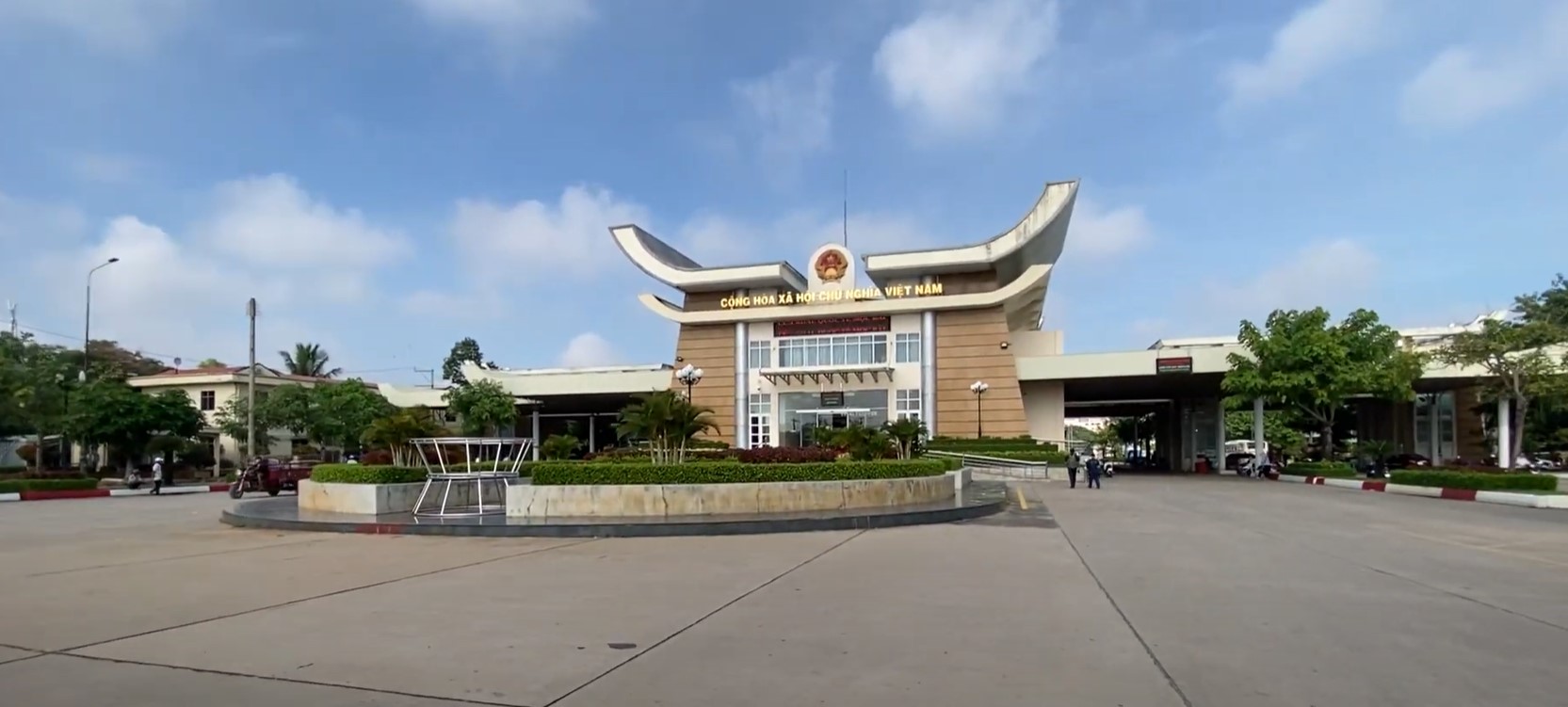
This option requires travelers to cross a land border into a neighboring country like Laos, Cambodia, Thailand, or China. It is commonly chosen by those in central or southern Vietnam.
Key land border gates for a visa run include:
- Bờ Y (Kon Tum, Laos)
- Cha Lo (Quang Binh, Laos)
- Cầu Treo (Ha Tinh, Laos)
- Hữu Nghị (Lang Son, China)
- Hà Tiên (Kien Giang, Cambodia)
- Lao Bảo (Quang Tri, Laos)
- Mộc Bài (Tay Ninh, Cambodia)
Steps for a Visa Run
- Prepare Documents: Ensure you have all required paperwork, including your passport, visa exemption or approval letter, and travel tickets.
- Exit Vietnam: Complete the exit procedures and travel to your chosen third country.
- Enter the Third Country: Present necessary documents to enter the neighboring country.
- Exit the Third Country: After a brief stay, return to Vietnam. Be sure to obtain your exit stamp from the third country.
- Re-enter Vietnam: Present your documents (passport, visa form, photos, and approval letter or e-visa) to complete the visa application process upon re-entry.
Processing Time and Fees
- Processing Time: It typically takes 3–7 days to receive a new visa for Vietnam and another 3–7 days to get a visa for the third country. Time spent in the third country can vary from a few hours to a few days.
- Costs: Fees include the cost of an e-visa ($25), visa approval letter (varies by agency), and the stamping fee ($25 for single-entry, $50 for multiple-entry).
By following these steps, you can efficiently complete a visa run, allowing you to extend your stay in Vietnam with minimal hassle and cost.
Before you go
Details such as prices, access, schedules, transport procedures and regulations can change. Verify time-sensitive information with the relevant venue, operator or official authority before travelling.
The bottom line
Treat a visa run as an international journey that requires verification and a backup plan. Confirm the latest requirements with Vietnam’s immigration authorities and the relevant carrier before paying.