
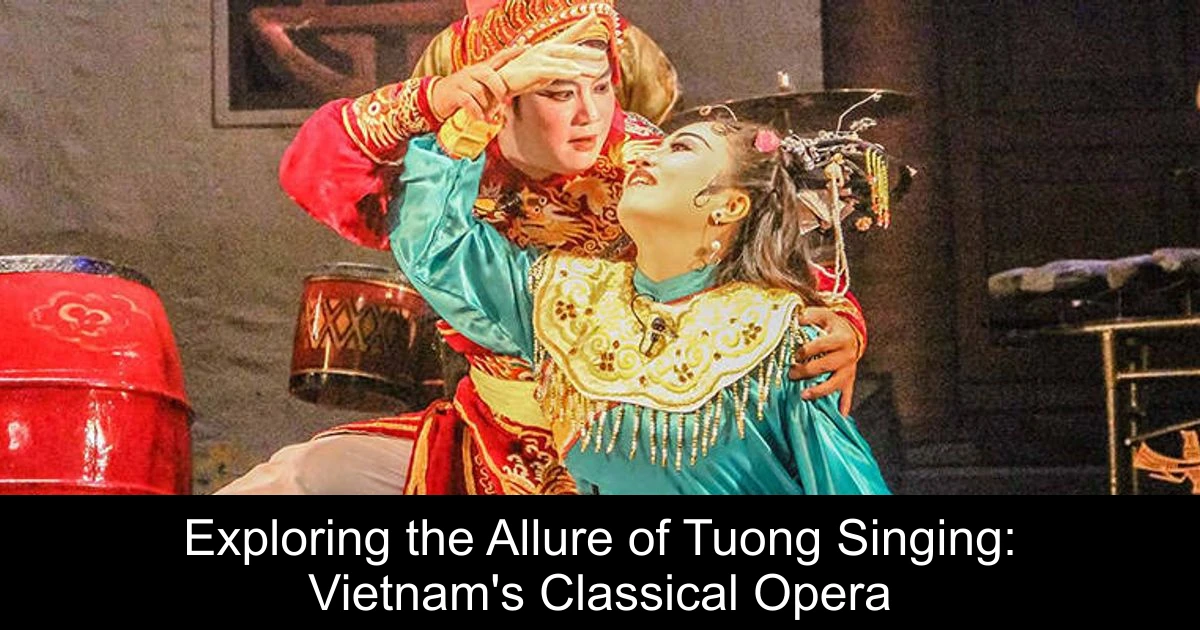
This cultural guide separates established context, interpretation and regional variation in tuong: History and Meaning of Vietnamese Classical Opera. It is designed to help readers decide what fits their trip, while clearly flagging details that need a current check.
At a glance
- Vietnamese practice varies by region, generation and community.
- Separate documented history from interpretation or legend.
- Avoid presenting a living tradition as tourist decoration.
- Ask permission before photographing people or private rituals.
How this guide was approached
The approach distinguishes documented history from interpretation, respects community and religious context, and avoids presenting contested claims as settled fact.
What is Tuong Singing?
Tuong Singing is a compelling blend of tragicomedy and opera, characterized by its dramatic gestures and elaborate costumes. This art form serves not just as entertainment but also carries educational undertones that encapsulate moral lessons. Beyond mere performance, Tuong Singing combines lyrical melodies, intricate dances, and stylized gestures, making it an engaging spectacle for audiences of all ages. The narrative style includes a distinctive approach called 'noi loi,' which seamlessly links sung couplets and storytelling, enhancing its emotional depth.
Distinguished by its two main styles, Tuong can be categorized into 'tuong chinh,' showcasing a more traditional, academic approach, and 'tuong do,' which employs humor to critique society and highlight the absurdities of corrupt officials. The underlying themes resonate deeply with Vietnamese culture, making this performing art both relatable and thought-provoking. The music is primarily driven by instruments like the two-stringed fiddle and various percussion elements, enriching the auditory experience of each performance.
A notable aspect of Tuong Singing is its resemblance to Chinese opera, specifically in its simplified staging and use of color symbolism. However, the unique Vietnamese interpretation shines through, particularly in its use of female performers to embody roles traditionally played by men in other cultures. Audiences often connect with the emotional expressions depicted through the stylized movements, making every performance a colorful tapestry of human experience.
The History of Tuong Singing
Tuong Singing's roots trace back to the 14th century when Ly Nguyen Cat, a Chinese immigrant, first brought this art form to Vietnam, particularly during the reign of King Tran Du Tong. His influence in training native performers marked the beginnings of what would evolve into a significant cultural undertaking, captivating audiences with its unique storytelling techniques. Over time, Tuong Singing flourished as a favored courtly entertainment, evolving alongside the changing political and cultural landscapes of Vietnam.
Despite facing challenges throughout its history, including a ban during the reign of King Le Thanh Tong and the rise of competing art forms such as Cai Luong, Tuong Singing adapted and persevered. The art experienced a resurgence in the south under the auspices of notable figures like Dao Duy Tu, who played a crucial role in popularizing Tuong among diverse audiences. The dedicated support from the Nguyen dynasty, especially during the reign of Minh Mang and Tu Duc, significantly contributed to its growth, establishing Tuong as a prominent fixture in Vietnam’s artistic heritage.
Today, the establishment of the National Tuong Theatre in 1959 symbolizes a renewed appreciation for this captivating art form. Although modernization and changing audience preferences have altered some aspects of Tuong performances, the core elements remain. Efforts to sustain its relevance include the introduction of new narratives focusing on contemporary issues, ensuring that Tuong Singing continues to evolve while remaining a treasured aspect of Vietnamese culture.
Conclusion
In summary, Tuong Singing is not only a mesmerizing theatrical experience but also a vital link to Vietnam's rich cultural tapestry. As you journey through Ho Chi Minh City or other parts of Vietnam, make it a priority to witness this unique art form—it's a chance to connect with the past while enjoying a vibrant performance. Whether you find yourself enamored by the dramatic expressions, the intricate costumes, or the heartfelt music, Tuong Singing will undoubtedly leave an indelible mark on your travel memories. Dive into the enchanting world of Tuong and celebrate the artistic spirit of Vietnam!
What to verify before you go
Prices, opening access, schedules, regulations and local conditions can change after publication. Confirm time-sensitive details with the relevant venue, operator or official authority before making a non-refundable booking.
The bottom line
The value of Tuong: History and Meaning of Vietnamese Classical Opera comes from context and respectful attention. Read beyond the photo opportunity and leave room for local and family variation.