
This food guide looks beyond promotional rankings to explain context, audience and trade-offs in vietnamese Gio: Varieties, Ingredients and Traditions. It is designed to help readers decide what fits their trip, while clearly flagging details that need a current check.
At a glance
- Menus, chefs, prices and service formats can change.
- Choose by occasion, location and dietary needs.
- Regional variation is context, not an error.
- Confirm reservations and allergens directly with the venue.
How this guide was approached
Recommendations are organized by the decision a reader must make: purpose, quality, location, budget and the limits of information that changes over time.
Popular Types of Vietnamese Dainty Morsel
One of the most popular forms of giò is the giò xào, or fried pie, which is often handmade during the Tet celebrations. Families pride themselves on preparing this dish, which requires various pork cuts including ear, tongue, and cheeks, mixed with spices and herbs. Once prepped, the pie is wrapped and then cooled in the refrigerator to bind all the flavors together. A perfectly made giò xào will tantalize your taste buds with its fragrant seasoning and satisfying texture, offering a delicious introduction to the world of giò.
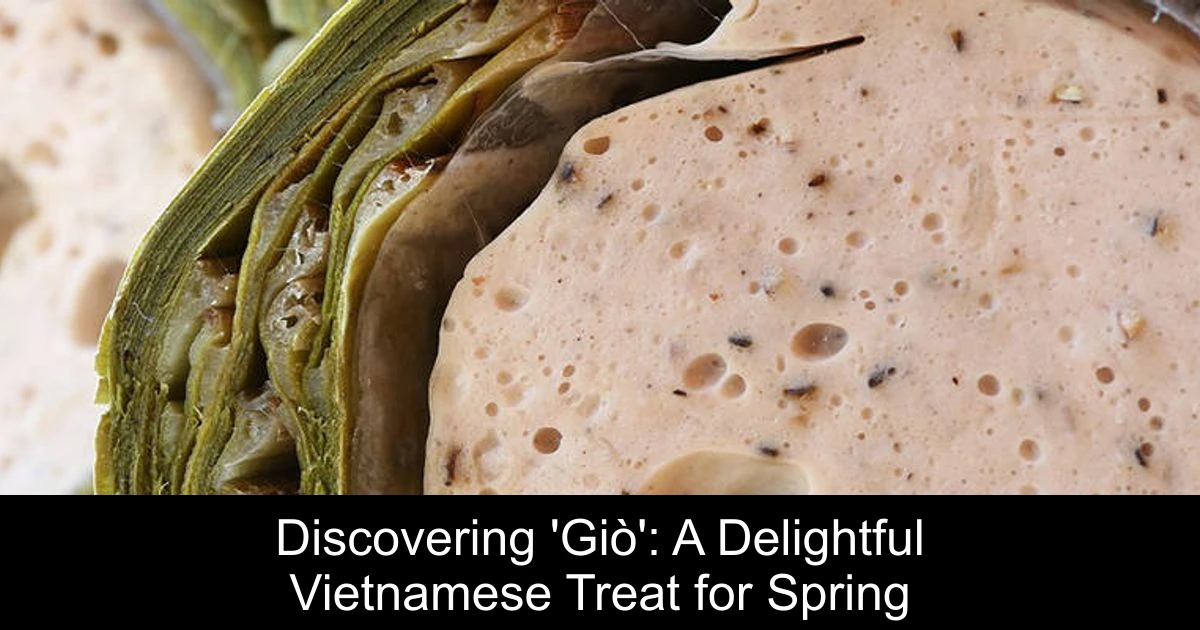
Another standout is giò bò, or beef dumpling, which is also created through frying. This dish typically incorporates more fat to maintain moisture, resulting in a rich and savory flavor profile. When sliced, the giò bò presents a delightfully pink hue and aromatic notes of pepper that enhance its appeal. Each piece is a testament to the skill involved in crafting this tantalizing treat.
Giò lụa, the revered pork-pie, is a quintessential treat made from fine, lean cuts of pork. Traditional methods, aside from modern machinery, bring out a unique taste that captivates most palates. The key lies in the finesse of grinding the meat to achieve a silky texture, combined with quality fish sauce, which elevates the dish’s flavor. A well-prepared giò lụa is typically ivory-white, with small holes adorning the surface, signaling its delightful taste and texture.
Lastly, giò bì, or pork and skin paste, is a unique specialty hailing from Hung Yen Province. This dish comprises the combination of tender pork and crisp pork skin, expertly blended to form a light and crunchy treat. The contrasting textures and flavors make giò bì memorable, showcasing the diversity found within the giò family. Each of these variations is not just food; they are a celebration of Vietnamese culture and culinary skill that leaves a lasting impression.
Conclusion
In conclusion, giò is more than just a dish—it's a flavorful exploration that captures the essence of Vietnamese culinary traditions. As you wander through markets and partake in meals during your travels, make sure to indulge in these distinct types of giò, each offering a taste of history and culture. Discovering these dainty morsels will not only satisfy your palate but also allow you to connect with Vietnamese heritage on a deeper level. Venture into the heart of Vietnam this spring, and let giò lead you through an unforgettable culinary experience!
What to verify before you go
Prices, opening access, schedules, regulations and local conditions can change after publication. Confirm time-sensitive details with the relevant venue, operator or official authority before making a non-refundable booking.
The bottom line
Use Vietnamese Gio: Varieties, Ingredients and Traditions to narrow the choices, then verify quality, price and current availability yourself. A suitable choice matters more than a universal ranking.