
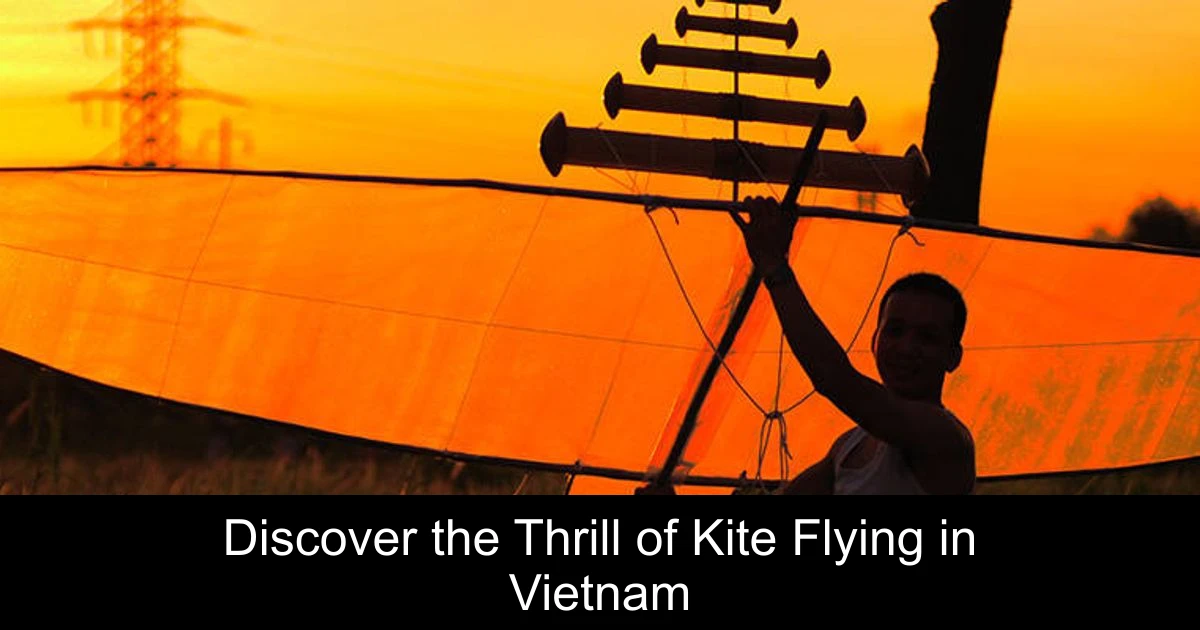
This cultural guide separates established context, interpretation and regional variation in kite Flying in Vietnam: Traditions, Places and Safety. It is designed to help readers decide what fits their trip, while clearly flagging details that need a current check.
At a glance
- Vietnamese practice varies by region, generation and community.
- Separate documented history from interpretation or legend.
- Avoid presenting a living tradition as tourist decoration.
- Ask permission before photographing people or private rituals.
How this guide was approached
The approach distinguishes documented history from interpretation, respects community and religious context, and avoids presenting contested claims as settled fact.
What is 'Diều Sáo'?
'Diều sáo' are not just kites; they are musical instruments crafted from bamboo and paper that create delightful melodies in the wind. Popular across Vietnam, especially in summer, these kites capture attention with their diverse shapes, sizes, and colorful designs. Vietnamese families of all ages often gather to fly these kites, with days punctuated by the joyous flute-like sounds produced as they dance through the sky. This unique fusion of art and culture reflects the joyful spirit of Vietnamese people and is an experience that travelers should certainly embrace.
How to Make 'Diều Sáo'
- 1) Start with gathering materials: For an authentic kite, you'll need bamboo for the frame, cotton cloth or paper for covering, and five bamboo flutes of varying sizes.
- 2) Assemble the frame: Shape the bamboo into a crescent form approximately two to three meters long, ensuring it is polished for smoothness.
- 3) Cover the frame: Securely attach the cotton cloth or paper to the frame, creating a lightweight yet sturdy surface.
- 4) Create the strings: Prepare the steering and flying strings from young bamboo, making sure they’re flexible enough to handle the wind.
- 5) Craft the flutes: Cut, shape, and carve the flutes, ensuring they can catch the wind properly to create melodic sounds as the kite takes flight.
How to Fly 'Diều Sáo'
Flying a 'diều sáo' is both an art and a science, best enjoyed during the golden hours of late afternoon. Typically, two people work together to launch one kite: one manages the flying string while the other runs with the kite, allowing the wind to lift it gracefully into the sky. This team effort creates a dynamic and enjoyable atmosphere, as both flyers must synchronize their movements to keep the kite soaring high. All season long, kite enthusiasts gather in competitions across Vietnam, where creativity, beauty, and the enchanting sounds of kites determine the winners. During these events, especially in provinces like Quang Ninh, the thrill of kite fighting adds an exciting twist to the traditional activity.
Conclusion
Kite flying in Vietnam, or 'diều sáo', presents not just a recreational activity but a gateway into the heart of Vietnamese culture. It blends artistic expression with community spirit, making it an enriching experience for travelers. For an inspiring adventure, grab a kite and immerse yourself in this delightful tradition, where every flutter and tune tells a story of generations past. Let the winds guide your adventure in Vietnam!
What to verify before you go
Prices, opening access, schedules, regulations and local conditions can change after publication. Confirm time-sensitive details with the relevant venue, operator or official authority before making a non-refundable booking.
The bottom line
The value of Kite Flying in Vietnam: Traditions, Places and Safety comes from context and respectful attention. Read beyond the photo opportunity and leave room for local and family variation.